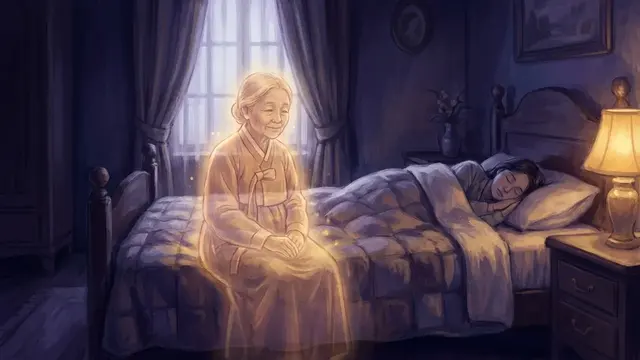
A dream about ghosts usually points to something from the past that has not been settled: a loss, a memory, a conversation never finished. The ghost tends to stand for a feeling that still has a presence in your life, even though the situation behind it is over. How the figure behaves, and how you feel around it, matters more than the fact that it appears. A quiet visitor and a chasing shape are very different dreams, and this page walks through both, along with the religious and psychological readings people turn to.
What does it mean when you dream about ghosts?
Most readings agree on one idea: a ghost is something that remains. It is a person, a feeling or an event that has technically ended but has not stopped affecting you. That might be a relative who died, a friendship that faded without explanation, a mistake you replay at 2 a.m., or a version of yourself you left behind.
The emotional tone of the dream is your best clue. If you wake up frightened, the dream often reflects something you have been avoiding, because avoided things tend to grow larger in the dark. If the ghost was calm, sad or even comforting, the dream may be closer to remembering or missing someone than to any threat.
Context also shapes it. A ghost in a childhood home links to family history. A ghost at your workplace may point to pressure or an old failure there. Ask yourself where you were, who the figure resembled, and what you wanted to do when you saw it.
Dream about a ghost in your house or feeling haunted
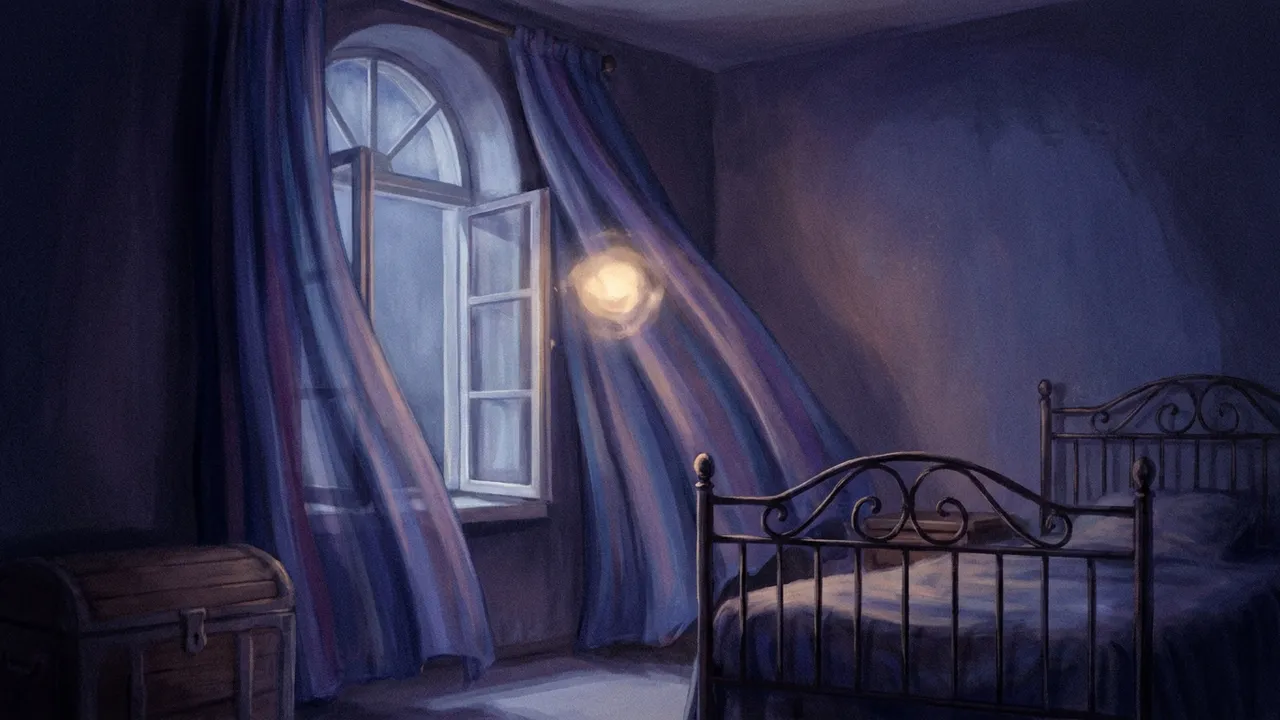
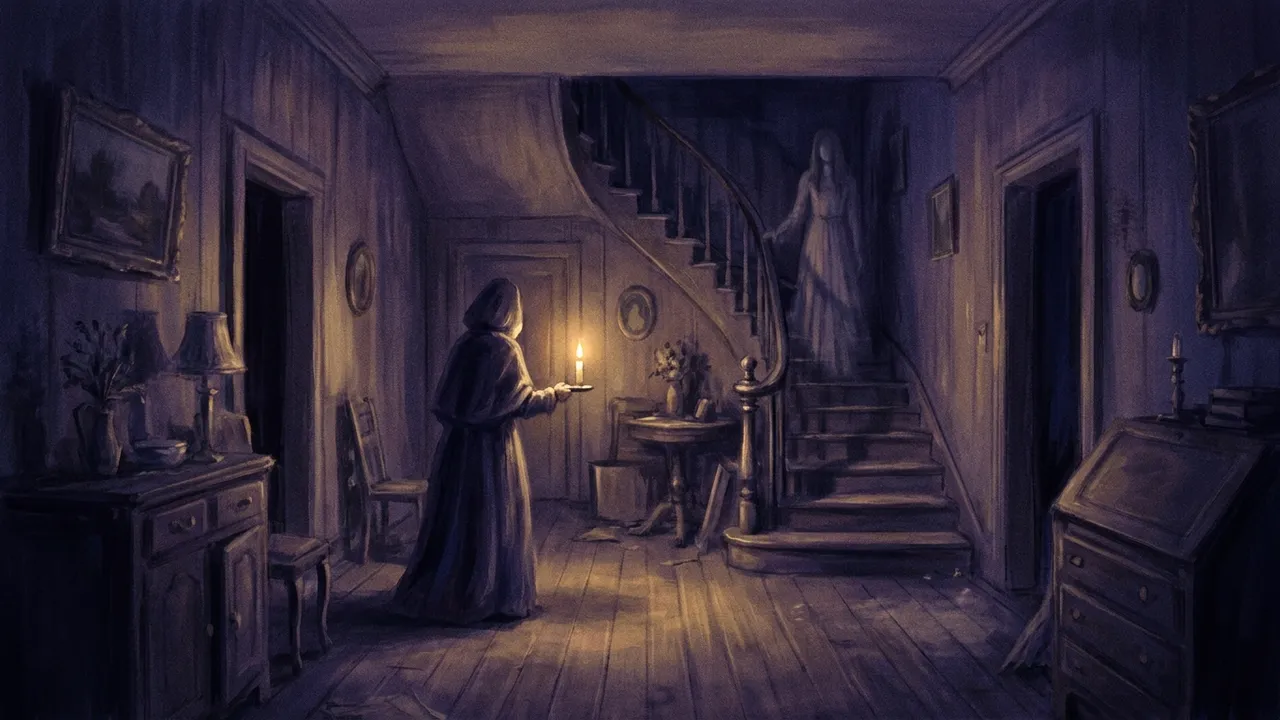
A presence in the house is one of the most common versions. You hear footsteps upstairs, a door opens by itself, or you simply know someone is standing behind you. Because the house often stands for your inner life, a haunting here can suggest something unresolved is sitting in your private space, not out in the world.
Notice which room it was. A ghost in the kitchen can connect to family and daily habits, in the bedroom to intimacy, rest or worry, in the basement to things you have buried. If the haunting made you feel unsafe in your own home, consider where in waking life you feel unable to relax or be fully yourself.
Some people dream this after moving, after a breakup, or after clearing out a dead relative’s belongings. In those cases the dream is often the mind catching up with a change that the daytime self has handled too quickly.
Dream about being chased or attacked by a ghost
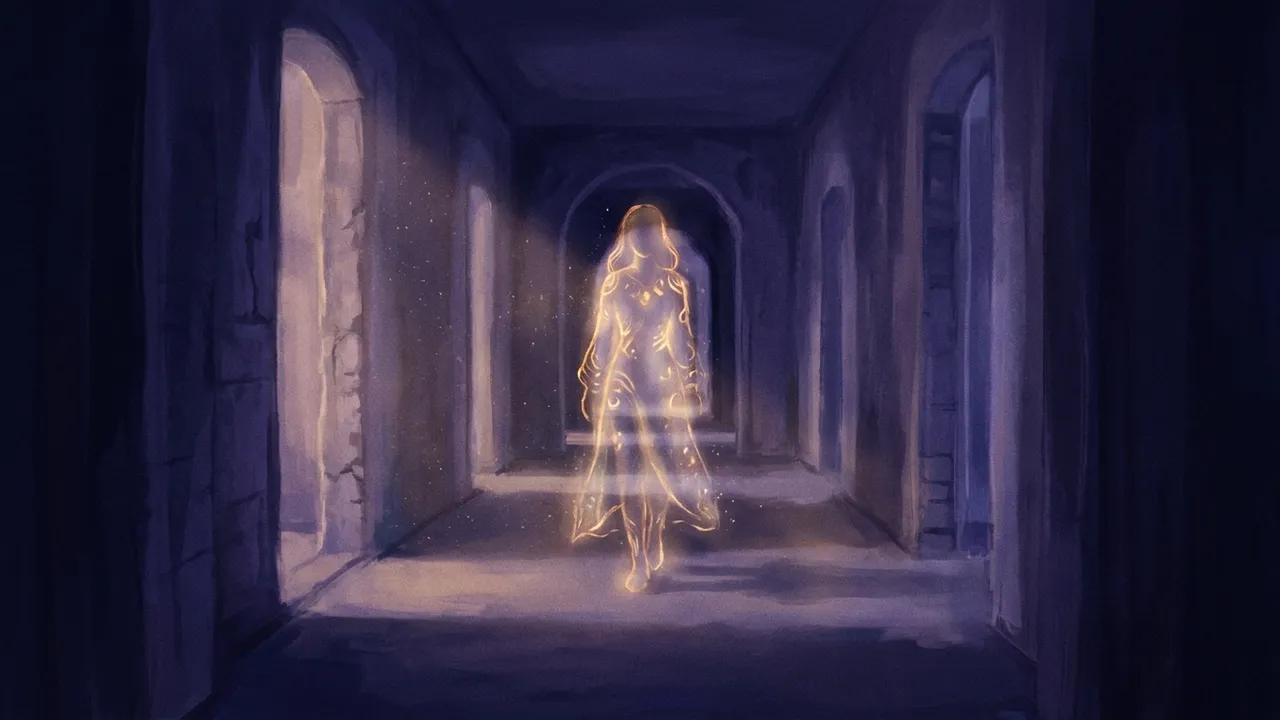
Being chased is the classic fear version. Running through corridors while something pale follows usually reflects avoidance: a decision, a grief, a confrontation or a feeling you keep outrunning. The ghost is not necessarily dangerous; it is simply the thing you will not turn around and look at.
If the ghost touches, pins or chokes you, many dreamers also report being unable to move or speak. That frozen feeling often matches waking situations where you feel powerless or silenced. Pay attention to what you could not say in the dream, because it may echo something you hold back in real life.
Dreams where you finally stop, turn and face the figure often change in tone. The ghost may shrink, speak, or simply fade. That shift is worth remembering, because it shows how the dreaming mind tends to respond when avoidance gives way to attention.
Dream about a dead loved one appearing as a ghost or spirit
Seeing a parent, grandparent or friend who has died as a pale or shadowy figure is a different experience from meeting a stranger-ghost. These dreams are often gentle, sometimes unsettling, and many people wake with a mix of comfort and ache. They commonly appear around anniversaries, family gatherings, or times when you wish you could ask that person for advice.
Pay attention to what the figure did. Did they speak, smile, stay silent, or seem to be leaving? A calm goodbye can feel like closure. A worried or silent presence may reflect your own unfinished feelings, such as guilt, things left unsaid, or a wish to have done more.
Whether you see it as a visit or as memory working through grief is a personal matter. Either way, the dream gives you a chance to feel the relationship again, and that is rarely meaningless.
Spirits dream meaning: psychological views from Jung, Freud and sleep research
Carl Jung treated figures in dreams as parts of the psyche. A ghost could be what he called the shadow: qualities, memories or impulses you have pushed out of sight. In that view the haunting is not an attack but a return of something that wants acknowledging. Ghosts can also represent ancestors or inherited patterns, the family stories that shape you without being spoken aloud.
Sigmund Freud focused on repressed material and wish. For him, a ghostly figure could be a disguised version of a desire, fear or memory the waking mind found too uncomfortable, and the eerie quality was the sign of something familiar made strange.
Modern dream researchers generally describe dreaming as a time when the brain processes emotion and memory, and they note that vivid, frightening dreams tend to follow stress, poor sleep or grief. Sleep paralysis, where you wake unable to move and sense a presence in the room, can produce ghost-like experiences that feel very real. None of this makes the dream meaningless; it simply means the emotion in it is the part to take seriously.
Biblical, Islamic and Hindu readings of ghosts, spirits and jinn in dreams
In Christian reading, the Bible treats the spirits of the dead with caution. Passages such as Saul’s encounter at Endor and the disciples mistaking Jesus for a ghost on the water are often cited. Many Christians interpret a frightening spirit dream as a call to prayer, peace and discernment rather than as a message to obey, while a dream of a departed loved one is often held as a comfort entrusted to God.
In Islamic tradition, jinn are real beings made from smokeless fire, distinct from human souls. Dream books attributed to Ibn Sirin and later scholars often read a jinn in a dream as a hidden enemy, a source of whispering doubt, or a warning about unseen worries, while other readings depend on the dreamer’s state. Many Muslims turn to reciting Ayat al-Kursi and the last verses of Surah al-Baqarah before sleep for protection. These are traditions of reading and practice, not rulings.
In Hindu belief, bhoot and pret describe restless spirits, often linked to unfinished rites or sudden death, and dreams of them are sometimes connected with remembering ancestors. Families may respond with prayers, offerings or rituals for the departed, such as those performed during Pitru Paksha. Readings vary widely by region and household.
Questions to ask yourself after a dream about a ghost
Start with the feeling, not the image. Were you afraid, curious, sad, or strangely calm? Then ask who or what the ghost reminded you of, and what in your life currently feels unfinished, unspoken or hard to look at directly.
Try a short journaling exercise. Write the dream in the present tense as if it is happening now. Then write one sentence beginning with “The ghost wanted…” and another beginning with “I wanted to…”. Finish with a small action you could take this week, such as calling someone, writing an unsent letter, or tidying a space you have been avoiding.
If a place was important, note it. Returning to the dream in your mind and imagining a different ending, such as asking the ghost its name or what it needs, can be surprisingly revealing.
When a recurring ghost dream is worth talking about
Most ghost dreams pass on their own, particularly after a loss or a stressful stretch. If they come night after night, leave you afraid to sleep, or are tied to a death or event you cannot stop reliving, it can help to speak with a trusted friend, a counsellor or a faith leader you respect.
Frequent episodes of waking up unable to move while sensing a presence are also worth mentioning to a doctor, simply so you can get reassurance and practical sleep advice. You do not have to carry these nights alone.
Quick tips
- Write the dream down within a few minutes of waking, including the room, the ghost’s behaviour and your first feeling.
- If the dream scared you, try a calming routine before bed: dim lights, a warm drink, and no scary screens for the last half hour.
- Talk to someone about a dream involving a lost loved one; sharing the memory often softens the ache.
Frequently asked questions
Is a dream about ghosts a bad sign?
Not necessarily. Ghosts in dreams most often reflect memory, grief or avoided feelings rather than a warning. The mood of the dream and how you felt on waking say far more than the ghost itself.
What is the dream about ghost meaning if the ghost is friendly?
A friendly or quiet ghost often points to acceptance, nostalgia or a relationship that still matters to you. It can feel like a gentle reminder of someone or something you have not fully let go of, and that is not always a problem.
What does it mean to dream about a ghost I know has died?
It commonly reflects missing them, unspoken words, or a situation where you wish you had their advice. Some people also find comfort in it and treat it as a form of farewell, depending on their beliefs.
What do jinn mean in a dream?
In Islamic dream traditions, a jinn is often read as a hidden worry, an unseen opponent or whispering doubt, though interpretations depend on the details. Many believers respond with prayer and protective recitation before sleep.
Why do I keep dreaming of spirits in my room at night?
Repeated dreams of a presence in the bedroom can follow stress, grief or disturbed sleep. If you wake paralysed and sense someone nearby, that is a known sleep phenomenon and a doctor can offer reassurance.
Does seeing a ghost in a dream mean someone is haunting me?
Dreams rarely work as literal evidence of a haunting. Psychologically, the ghost is more likely to stand for something unresolved inside you, while religious traditions may suggest prayer or reflection.