If you dream about the devil, it usually points to something you fear, resist or feel guilty about, rather than to evil itself. In most cases the figure stands for a pressure, temptation or hidden part of yourself that you have not yet looked at squarely. The meaning shifts with how you felt and what happened: fear, curiosity and defiance each tell a different story. Below you will find the most common versions of this dream, how psychology and several faith traditions read it, and some practical ways to work out what yours is about.

What does it mean when you dream about the devil?
The devil is one of the oldest symbols people have for whatever feels threatening, forbidden or out of control. When he turns up in a dream, the mind is rarely making a statement about the supernatural. It is usually borrowing a very strong image to describe something ordinary but heavy: a habit you are ashamed of, a relationship that drains you, a decision you know is wrong but keep circling.
Feelings matter more than the figure itself. Terror suggests you are avoiding something that is getting louder. Calm, or even a strange familiarity, can mean you are closer to accepting a difficult part of yourself than you realise. Anger and defiance often show up when you are starting to push back against pressure from other people.
Pay attention to the setting too. A devil in your childhood bedroom points toward old messages you absorbed growing up. A devil at your workplace is more likely about ambition, compromise or a boss. The same face can mean very different things depending on where it stands.
What does it mean to dream about demons chasing or attacking you?
Being chased is probably the most common version. You run, your legs feel heavy, and something dark keeps gaining on you. Dreams of this kind tend to appear when you are dodging a conversation, a deadline, a diagnosis or a feeling you would rather not have. The demon is not the problem itself. It is the dread of facing it, given a shape.
Attack dreams, where a demon grabs, pins or bites you, are usually more intense. They often reflect a sense of being overpowered: by stress, by a person who dominates you, or by your own harsh inner critic. Notice whether you fought back, froze or called for help. Even a small act of resistance in the dream can say something about how much strength you have in the situation.
If the attack comes just as you wake, with a sense of weight on your chest, that is a separate experience. Many people have it during stressful or sleep-deprived periods, and it is worth reading about sleep paralysis before assuming the dream has a deeper meaning.
Dreaming about the devil possessing you: what is the dream saying?
Possession dreams, where you feel something taking over your body or speaking through your mouth, are among the most unsettling. Symbolically they tend to be about loss of control. You may feel you are acting out of character, saying yes when you mean no, or being driven by anger, anxiety or a compulsion you cannot switch off.
Sometimes the dream is also about identity. If you are playing a role at work or at home that does not feel like you, the mind may express that as another presence wearing your face. People going through big changes, such as a new job, a breakup or a move to another country, report this kind of dream more often than you might expect.
What helps is asking where, in waking life, you feel like a passenger rather than the driver. The answer is usually specific and more manageable than the dream makes it feel.
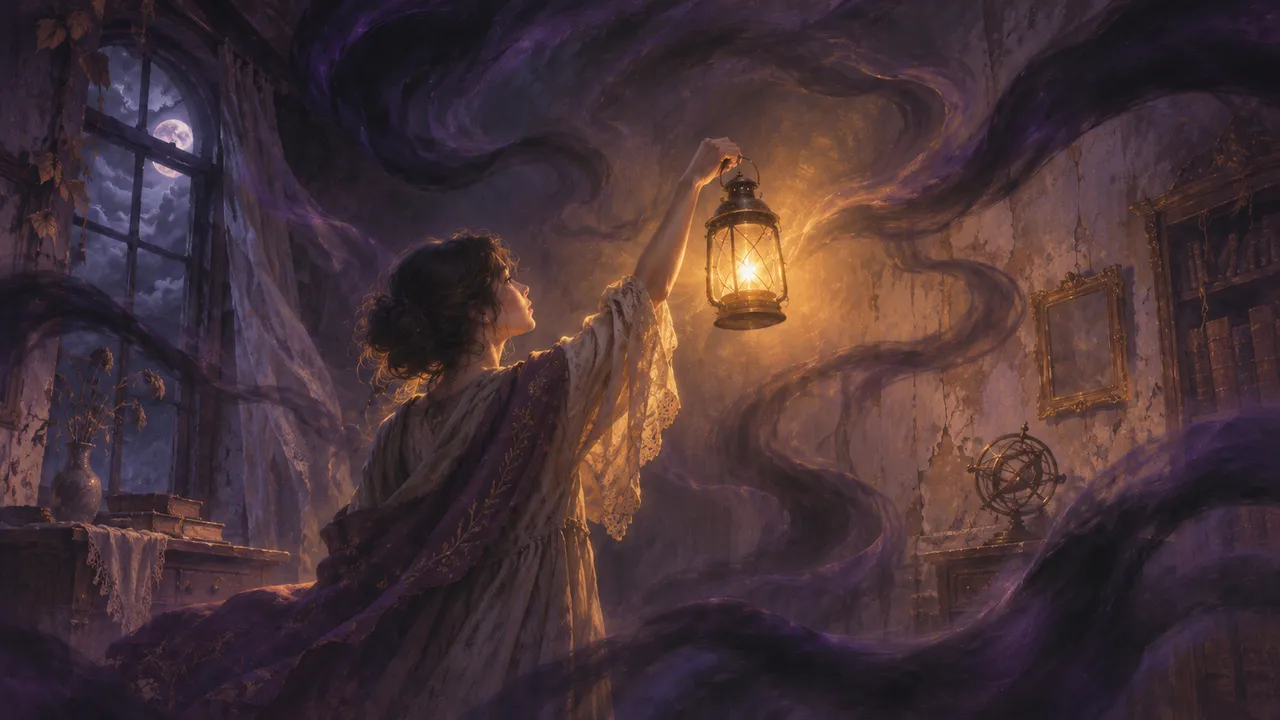
What if you fight, defeat or talk to the devil in your dream?
Dreams in which you stand your ground are generally read as a good sign of inner movement. Fighting a demon, saying a prayer, ordering it to leave or simply refusing to look away suggests you are ready to confront whatever it represents. Many people wake from these dreams feeling oddly lighter, even if they were shaking during them.
Talking to the devil is different. A conversation, a bargain or a tempting offer usually points to a real-life compromise you are weighing: a shortcut, a small dishonesty, a relationship that is flattering but not good for you. Remember what he offered, because that detail often names the actual temptation.
If the devil was friendly, funny or even charming, do not be alarmed. That often reflects how persuasive your own rationalisations can be, or a part of you that wants more freedom, pleasure or rebellion than you currently allow.
What does a demon in the house mean in a dream?
The house in dreams usually stands for you: your mind, your family, your sense of safety. A demon in the hallway, the kitchen or the room where you sleep suggests that something troubling has settled into a place that should feel secure. It might be conflict between family members, money worry, grief that has not been spoken about, or a sense of being watched or judged at home.
Which room it appears in can help. Bedrooms link to intimacy and rest, kitchens to care and family dynamics, basements to things you have pushed down, and attics to old memories. If the presence is only a shadow in a doorway, the dream may be about something you sense but cannot yet name.
What do psychologists say about devil dream meaning?
Carl Jung would have called the devil a clear example of the shadow: the parts of ourselves we reject, deny or project onto others. In his view, meeting a frightening figure in a dream is an invitation to acknowledge what you have disowned, such as anger, desire or ambition, rather than to fear it. Integrating the shadow does not mean acting on every impulse. It means knowing it is yours.
Sigmund Freud tended to read such figures as expressions of repressed wishes and of the conscience that punishes them. A devil, in that frame, could combine forbidden desire with guilt about it, often rooted in early authority figures and strict rules.
Present-day dream researchers generally agree that frightening dreams are common and often track waking stress, anxiety and emotional processing. One widely discussed idea is that nightmares let the brain rehearse threat in a safe setting. None of this proves what your dream means, but it supports a practical approach: look at what is pressing on you now.

How do Christian, Islamic and Hindu traditions read dreaming about devil figures?
In Christian tradition, the devil appears in the Bible as the tempter in the wilderness, as Satan the accuser in Job, and as the adversary Peter warns about in his letter. Many believers read a dream of this kind as spiritual warfare or a call to prayer and vigilance, while others, including many pastors, treat it as an expression of anxiety or guilt. Practices such as prayer, scripture reading or speaking with a pastor are common responses.
In Islamic tradition, a hadith distinguishes true dreams from God, anxious dreams from the self, and disturbing dreams from Shaytan. Believers are traditionally advised to seek refuge in God, spit lightly to the left, change sides and not tell the dream to others. Classical dream books attributed to Ibn Sirin discuss Shaytan as a sign of deception or an enemy, though these interpretations vary and are not a ruling on any individual dream.
In Hindu belief there is no single devil, but rakshasas, asuras and malevolent spirits appear in epics such as the Ramayana. A dream of a fearsome demon is often read as a sign of inner negativity such as anger, greed or ego, and many families respond by chanting, reciting a mantra such as the Hanuman Chalisa or visiting a temple. These are traditions you may find meaningful, not facts about what your dream predicts.
What should you ask yourself after a dream about the devil?
Start with the feeling you woke up with, before the story fades. Fear, shame, anger, curiosity and relief point in different directions. Then ask where in your life something feels forbidden, out of control or unfinished. Is there a decision you are avoiding, a person who makes you feel small, or a thing you do and wish you did not?
Also ask what the figure looked like and what it wanted. A demon that demanded something is about pressure. One that simply watched is more about guilt or self-judgement. One that you recognised, perhaps with a familiar face, may be about a real relationship.
Try a short journaling exercise. Write the dream in five or six lines, then complete these sentences: The part of me this figure might represent is... The thing I am afraid to face is... If I stood my ground, I would... Read it back the next day and underline whatever surprises you.
When is a recurring devil dream worth talking to someone about?
One frightening dream is normal. If the same dream returns for weeks, leaves you dreading sleep, or comes with daytime anxiety, low mood or memories of something painful, it is worth speaking with someone you trust. That might be a doctor, a counsellor, or a religious leader if faith is part of your life.
You do not need to know what the dream means before you reach out. Describing how it affects your sleep and your days is enough, and many people find that simply saying it aloud takes away some of its weight.
Quick tips
- Write the dream down within a few minutes of waking, including the emotion, setting and what the figure wanted, since these details carry the meaning.
- Before sleep, avoid horror content and heavy late-night scrolling, and try a calming routine such as reading or gentle stretching.
- If your faith offers prayer, a mantra or a conversation with a trusted leader, use it if it comforts you, and treat the dream as a prompt for reflection rather than a verdict.
Frequently asked questions
Is it bad to dream about the devil?
Not necessarily. Most of the time it reflects stress, guilt or a fear you have been avoiding, and it can be a prompt to deal with it. Believers may also read it through their faith, which is a personal matter.
Why do I keep dreaming about demons?
Repeated dreams usually track something unresolved, such as ongoing anxiety, a strained relationship or a habit you feel trapped by. Poor sleep, late-night screens and scary films can also make vivid dreams more likely. If they are frequent and distressing, consider speaking to a professional.
What does dreaming about devil figures mean spiritually?
It depends on the tradition. Christians may see temptation or a call to prayer, Muslims may think of Shaytan and the advice to seek refuge in God, and Hindus may think of negative forces like anger or ego. These are traditional readings, not guarantees.
Does a devil dream mean something bad will happen?
No. Dreams do not predict the future. They draw on your emotions and recent experiences, so the useful question is what you are worried about now.
What does it mean if the devil looked like someone I know?
It often says more about how that person makes you feel than about who they are. Think about whether you feel pressured, judged or tempted around them. It can also mean you see some of their traits in yourself.
What should I do after a dream about the devil?
Write the dream down, note the dominant emotion and ask what in your life matches it. Some people find prayer, a walk or talking to a friend steadying. If the dream keeps returning and troubles you, speak with someone you trust.